SUSHISOM
SAN FERNANDO

Japanese food beyond sushi
When we think of Japanese food, sushi is usually the first thing that comes to mind. Nigiri, maki, uramaki… and sometimes it seems as if all of Japan’s cuisine fits on a tray of rice and fish.
But you only have to look a little further to discover another story.
Japanese cuisine is also steaming, griddling, frying, rice, noodles, vegetables and small dishes that change with the moment. November, moreover, is an especially interesting month to discover that other side of Japan: Washoku Day is celebrated on the 24th, a tradition that helps you understand Japanese food far beyond sushi.
At Sushisom Spain, that idea connects with one of the great advantages of the Infinity Menu: being able to start with what you already know and go on to discover completely different flavors and ways of cooking.
Washoku: why Japanese food is much more than sushi
November in Japan: the month dedicated to washoku
Some curiosities change the way you look at a table.
In Japan, November is officially the month of washoku and its day is celebrated on the 24th. The idea is to celebrate a food culture that goes far beyond a list of recipes.
In fact, washoku was inscribed by UNESCO in 2013 as Intangible Cultural Heritage of Humanity. And here’s the interesting part: it isn’t defined simply as “Japanese food”, but as a body of knowledge, practices and traditions related to producing, preparing and sharing food.
That’s why talking about Japanese cuisine also means talking about seasonality, presentation, balance and respect for ingredients.
You don’t need to memorize Japanese terms to understand it. Just keep one idea in mind: a good meal can have many small moments.
Balance, season and variety
One of the most appealing features of washoku is the importance of variety.
The traditional Japanese table usually combines rice with different side dishes and pays close attention to the season and to how each dish looks. That relationship with nature and seasonal produce is central to this tradition.
Maybe that’s why a table with different Japanese dishes is so much fun: one bite can be mild, the next crispy and the next can arrive hot.
At Sushisom Spain, the Infinity Menu lets you play with that variety in a freer, more contemporary way. It doesn’t aim to reproduce a traditional Japanese meal to the letter, but it does share a very appealing idea: that a table can have different textures, temperatures and ways of cooking.
Rice: much more than a side dish
Some ingredients seem secondary until you start paying attention to them.
Rice is one of them.
In Japanese food, it has historically held a central place. It’s in sushi, of course, but it’s also part of many other dishes and of the usual structure of a traditional meal.
That helps explain why sushi shouldn’t be seen as an isolated category.
One day you can enjoy rice as the base of a piece of sushi and another day find it in a hot dish. The ingredient is still there; what changes completely is the feel of the dish.
If you’re interested in discovering another way of working with this ingredient, you can also find out how we use black rice in sushi and the combinations that work best at Sushisom.
Steamed, griddled, fried and stir-fried: Japan doesn’t cook just one way
Another simple way to discover Japanese cuisine is to focus less on the names and more on how the food is prepared.
A gyoza can change depending on how it’s cooked. Tempura aims for a light, crispy finish. Rice and noodles can be stir-fried, while griddled dishes offer a completely different experience.
It’s precisely that change of technique that keeps the table interesting.
When you visit a Japanese restaurant, try a simple idea: after something mild, look for something crispy; after several fried dishes, switch to rice, noodles or a griddled dish.
It’s not a rule of etiquette. It’s simply a way to keep your curiosity awake.
Japanese dishes you can discover at Sushisom
So much for the cultural part. Now comes the useful question: how do we bring all this to a real table?
The answer isn’t to try to reproduce a traditional Japanese meal exactly, but to make the most of a Japanese restaurant’s variety to try different things without filling the table with dishes that taste practically the same.
Gyozas and tempuras: start with something easy
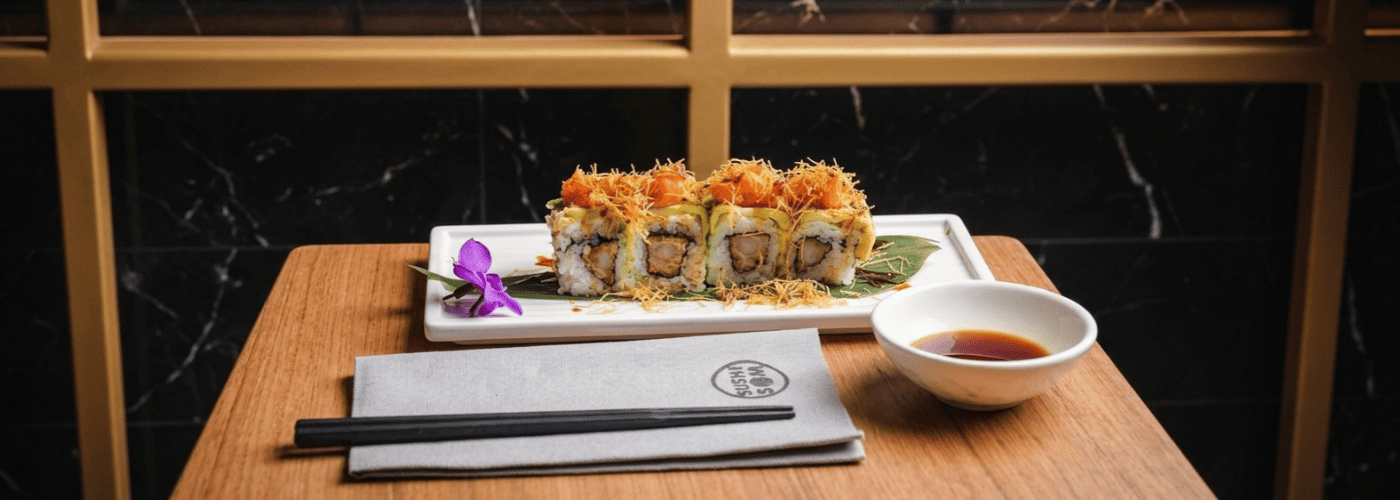
If you want to step beyond sushi without straying too far from familiar flavors, gyozas and tempuras are two good ways in.
Gyozas are easy to share, arrive hot and let you get started without too many decisions.
Tempura plays a different card: crunch.
Within the Infinity Menu, you can start with some fresh pieces and then add a hot or crispy option. That way every choice brings something new instead of always repeating the same sensation.
And if you’re still discovering the menu or prefer to start with cooked options, our guide on what to order at a Japanese restaurant without raw fish can help you find other paths.
Rice and noodles: another side of Japanese food
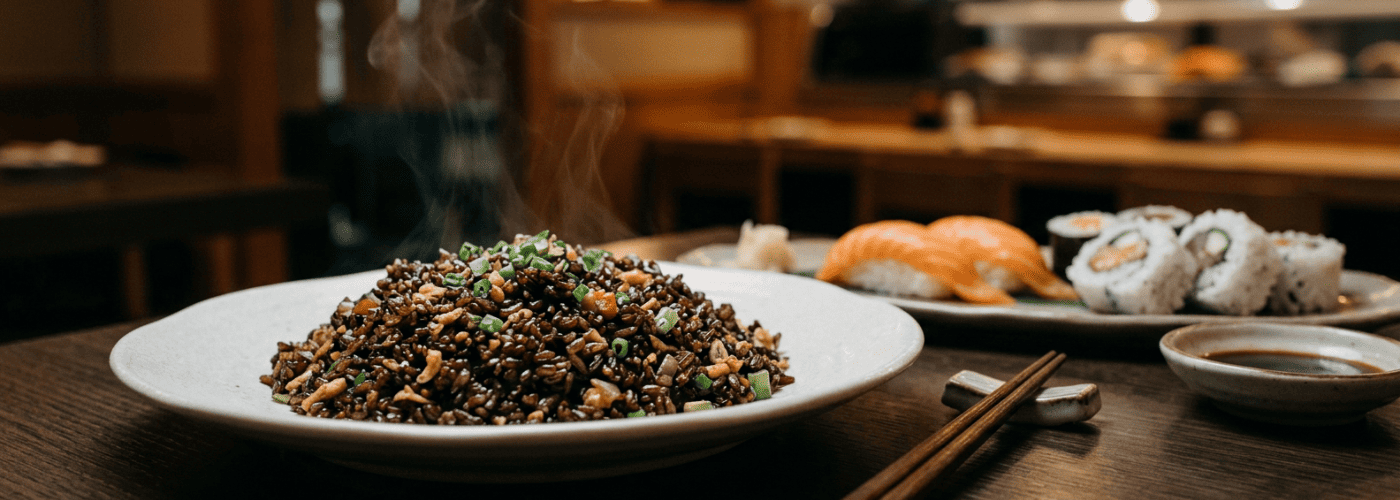
If you still link Japan almost exclusively with sushi, rice and noodles are probably one of the best ways to widen the map.
They’re familiar, work well for sharing and can be especially appealing when someone is looking for something more comforting.
They also help Japanese food work well at tables with different tastes. While one person prefers sushi, another can choose rice or noodles without feeling they’re ordering a second-best option.
That freedom is exactly one of the reasons a wide menu can make a shared table much easier.
Hot dishes to change the pace
There are moments when, after several fresh bites, you simply feel like a change.
That’s where hot Japanese dishes, stir-fries and griddled dishes come in. They don’t replace sushi: they take the meal in another direction.
This combination of sushi, fried dishes, rice, noodles and hot dishes also helps explain why an à la carte Japanese buffet can offer a much broader experience than its name suggests.
If you’re coming with friends or family, you can think of the meal as a sequence: something fresh, something crispy, something hot and, at the end, whatever everyone wants to have again.
The Infinity Menu lets you build that route little by little, without having to decide everything from the start.
How to create a varied table without always ordering the same thing
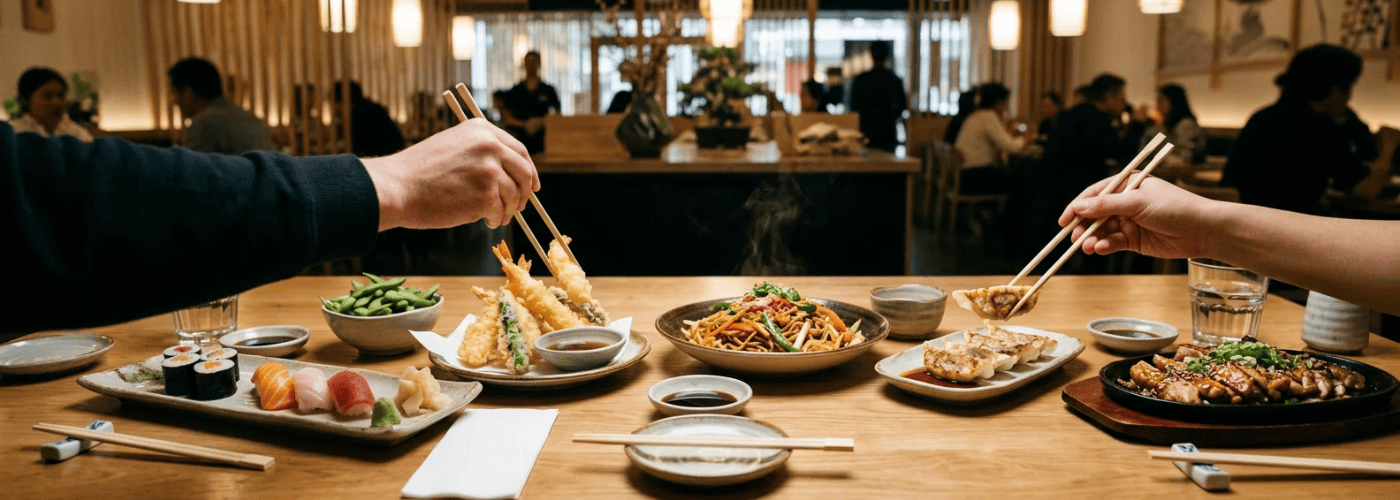
When you have lots of options in front of you, the temptation is to order five versions of what you already know you like.
That’s fine, but you miss out on a good part of the fun.
You can think of the table like this:
Something fresh: sushi or a light dish.
Something crispy: tempura or a fried starter.
Something hot: rice, noodles or a griddled dish.
Something new: a dish nobody has tried yet.
Something to come back to: the table’s favorite.
With that logic, a Japanese restaurant stops being simply “the place where we go to eat sushi” and becomes an experience where there’s always something left to discover.
And that connects really well with Sushisom Spain. To better organize that variety and avoid filling the table with dishes that are too similar, you can check out our tips on how to order with the Infinity Menu.
Quick FAQs
What is washoku?
Washoku is the set of Japanese culinary traditions related to preparing, presenting and eating food. It was inscribed by UNESCO as Intangible Cultural Heritage in 2013.
Is Japanese food just sushi?
No. Japanese food includes rice dishes, noodles, fried dishes, steamed and griddled dishes, soups and many side dishes.
What Japanese dishes can I try besides sushi?
You can start with gyozas, tempuras, rice dishes, noodles or hot dishes and combine them with sushi depending on what you feel like.
What does the Infinity Menu offer?
The Infinity Menu lets you discover different categories from your table and build a meal at your own pace.
Perhaps that’s the best way to approach washoku without overcomplicating it: understanding that Japanese cuisine doesn’t revolve around a single dish, but around different flavors, techniques and moments.
At Sushisom Spain, the Infinity Menu lets you discover that world in a simple way: you start with something familiar, try something new and end up reordering what you didn’t expect to like so much.
If you’re still taking your first steps with Japanese food, the sushi without fear guide can help you start with simple options and progress at your own pace.
Because the next time you think of Japanese food, sushi will probably still be the first thing that comes to mind.
But it won’t be the only thing anymore.
See the Sushisom menu and book a table.